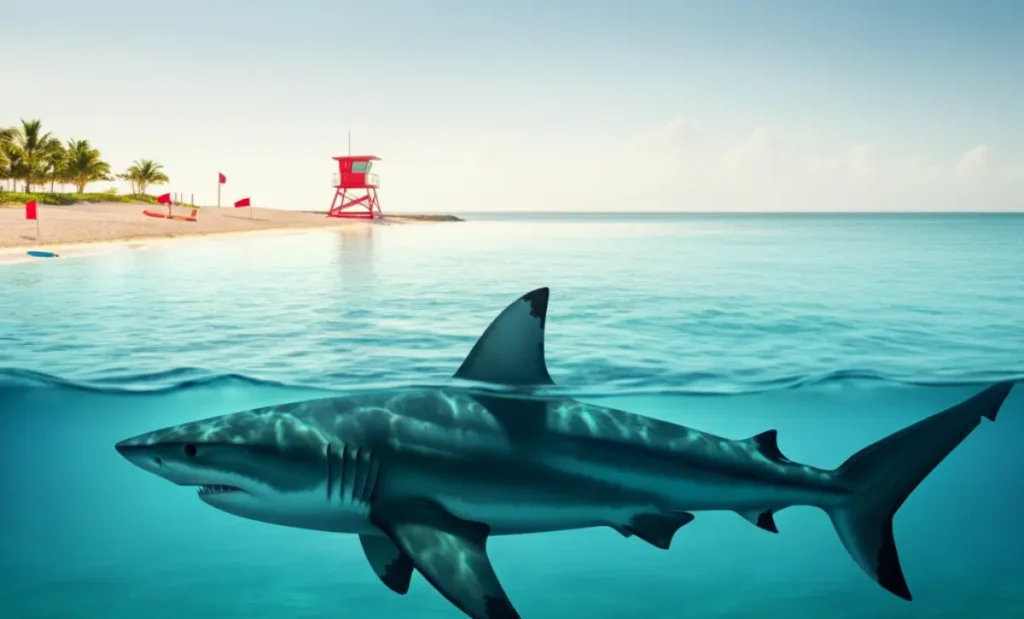
A tragic incident unfolded recently at a much-loved holiday hotspot, where a snorkeler lost their life after an encounter with a shark. News of the shark attack has quickly spread, raising fresh concerns for UK tourists and sparking conversations about marine safety, responsible tourism, and how to stay safe at the beach.
The attack happened in waters famous for snorkelling and marine adventures, drawing visitors from around the world. Witnesses reported a sudden commotion just offshore. Lifeguards acted swiftly, and emergency services arrived soon after, but the snorkeler’s injuries were sadly fatal. In the wake of this event, local marine authorities closed several beaches, posted Red Flag warnings, and launched a thorough investigation into what happened. The UK Foreign Office has acknowledged the incident and is reviewing travel advisories for travellers heading abroad.
Shark Attack Threat: Facts for Holidaymakers
While the phrase “sharks eat snorkeler” stirs understandable worry, it’s important to stay grounded in the facts. Shark attacks are extremely rare, especially when compared to the millions of people who swim, surf, and snorkel every year. Experts in marine biology remind us that sharks do not seek out humans as prey; most attacks are cases of mistaken identity, especially when visibility is poor or the water is busy.
If you’d like practical information on how to reduce risk and safely enjoy the beach, check out the Shark Trust’s advice on staying safe in the sea.
In popular tourist regions—whether in the Mediterranean, the Caribbean, or the Pacific—shark species are a natural part of ocean life. Their presence is a positive sign of a balanced ecosystem. For travellers, however, the risk, however small, can never be completely wiped out. That’s why so much effort goes into beach safety systems, from lifeguard patrols to shark nets and even drones scanning the horizon.
Beach Safety: Tips for a Safer Snorkelling Experience
For those planning to snorkel or swim on holiday, a few practical steps can make all the difference:
- Follow Local Warnings: Red Flags and posted signs mean it’s unsafe to enter the water. Ignore these at your peril.
- Use Designated Areas: Always swim or snorkel in zones watched by lifeguards, where quick help is available if needed.
- Avoid Certain Times: Sunrise and sunset are when many marine animals, including sharks, are more active. Stick to daylight swimming when the water is clearer and busier.
- Never Go Alone: Bring a friend or stick to groups—safety really does come in numbers.
- Skip the Sparkle: Shiny jewellery and accessories can catch the light and attract curious fish—or sharks—so it’s best to leave them on shore.
The UK Foreign Office provides updated safety advice for international destinations. Before heading out, travellers are encouraged to check local rules, beach conditions, and any advisories from marine authorities.
What Happens Next? Investigating and Learning from Tragedy
In the aftermath of this snorkeler’s death, investigative teams made up of local officials and marine experts are gathering facts about what led to the shark attack. These findings help guide future safety measures and inform beach communities and holidaymakers alike.
Media coverage can sometimes exaggerate or sensationalise incidents like this, but focusing on the facts helps maintain a balanced perspective, supporting both public understanding and shark conservation. While “sharks eat snorkeler” is attracting online searches, it’s key to remember just how rare and unusual these cases are.
FAQ: Sharks, Beach Safety, and the UK
Are there dangerous sharks in UK waters?
More than 40 types of sharks have been spotted around the UK, but there has never been a recorded unprovoked fatal shark attack on a human in British seas. Most resident and migratory species are harmless to beachgoers.
How common are shark attacks worldwide?
Shark attacks make headlines but are extremely infrequent. Statistically, being bitten is less likely than being struck by lightning or getting into trouble in a rip current.
What should I do if I spot a shark while swimming?
Stay as calm as possible. Leave the water smoothly and steadily, keeping your eyes on the shark if you can. Alert lifeguards and others to your sighting right away.
Does travel insurance cover shark attacks?
In most cases, travel insurance includes emergency medical treatment for accidental injuries, including those from animal encounters. Always double-check the fine print for any exclusions or special requirements based on activities or locations.
Final Thoughts: Balancing Enjoyment and Conservation
As tourism to beautiful beaches rebounds and more travellers head out to snorkel and swim, safety remains a shared responsibility. Learn local safety rules, respect warnings from marine authorities, and remember that the ocean is home to a rich array of wildlife—including sharks. By taking sensible precautions, we can continue to enjoy marine adventures while supporting conservation and keeping beaches safe for everyone.
You may also read : Monaco vs Tottenham: Spurs Ready for a Big Test on French Soil
You may visit our official website : hflash
Planning the trip: the checks that actually matter
Long-haul travel planning rewards a small number of official checks over a large amount of general advice. Entry requirements, visa rules, local law and any current safety warnings for every destination are published country by country in the Foreign Office travel advice, and the pages are updated when conditions change rather than on a schedule, so a check a fortnight before departure is worth more than one made at booking. Vaccination requirements, malaria risk and region-specific health precautions are set out separately by TravelHealthPro, the National Travel Health Network and Centre resource used by UK clinics.
Financial protection is the check most often skipped. Package holidays sold in the UK carry statutory protection, and membership schemes operated by bodies such as ABTA add a further layer covering insolvency and dispute resolution, but a self-assembled itinerary of separate flights, transfers and lodges generally has none of that. Travel insurance sold on price alone frequently excludes exactly the activities people travel for, and water sports, wildlife excursions and anything involving a small aircraft or boat transfer are the usual exclusions.
Safety in and around water deserves specific attention on any coastal itinerary. Local conditions, tides, currents and the presence of marine life vary enormously along a single coastline, and the operators who know a site are a better source than any general guide. The practical rule is to use licensed operators, follow local guidance without negotiating it, and treat any excursion that skips a briefing as a reason to walk away rather than a time saving.
Read more from HFlash
For related background, see the current rules for travelling to Europe from the UK. It is also worth reading how to stay secure on hotel and airport networks, and our guide to the UK physical activity guidelines in plain terms.
Related coverage: Eastern Airways Expands UK Routes, Strengthening Regional Connections and Luxurious 14 Day Honeymoon in Africa Safari Adventure.