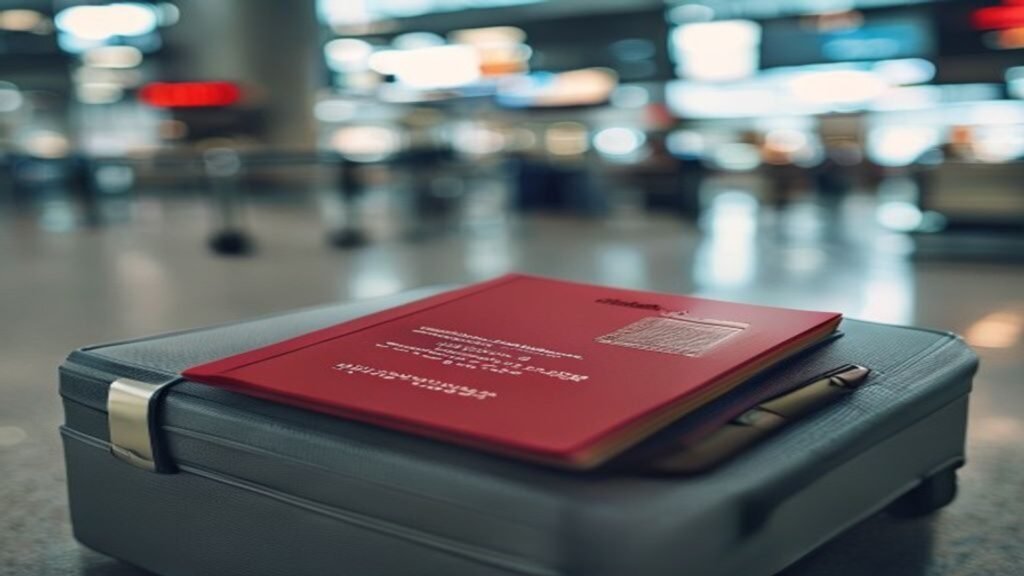
Travelling from Britain to the European Union is straightforward, but it is governed by a set of rules that has changed several times since 2021 and that most travellers still half-remember incorrectly. The consequences of getting them wrong are refused boarding or refused entry, both of which are difficult to remedy at an airport. What follows is the position as it currently stands.
Passport validity is the most common failure
For travel to the Schengen area, a British passport must have been issued less than ten years before the date of entry, and must be valid for at least three months after the intended date of departure from the area. Both conditions must be met. The first is the one that catches people, because passports issued before September 2018 could carry up to nine extra months rolled over from a previous document, and those extra months do not count for Schengen purposes.
The rules differ for Ireland, which is unaffected by any of this under the Common Travel Area, and for non-Schengen destinations such as Turkey, which set their own requirements. Country-by-country entry conditions are published on the Foreign Office travel advice pages, which is the only source that is updated as rules change.
The 90 in 180 rule
British citizens may spend up to ninety days in any rolling one hundred and eighty day period in the Schengen area as a whole, not per country. The window is rolling rather than fixed, which means the calculation on any given day looks back one hundred and eighty days and counts every day of presence, including days of arrival and departure. Second-home owners and long-stay travellers are the group most affected, and overstaying can result in fines, removal and entry bans.
The European Commission publishes a short-stay calculator, and using it before booking is worth the five minutes. Exceeding the limit requires a national long-stay visa from the specific country concerned, which is a separate application process with its own requirements.
EES and ETIAS
Two new systems change the mechanics of entry. The Entry Exit System replaces passport stamping with biometric registration: facial image and fingerprints collected at first crossing, then automated recording of entries and exits. It removes the ambiguity that used to surround missing or illegible stamps, and it also removes any practical possibility of miscounting days in your favour.
ETIAS is separate. It is a travel authorisation rather than a visa, applied for online before travel, valid for multiple entries over three years or until passport expiry, with a modest fee and exemptions for the youngest and oldest travellers. It does not guarantee entry; it is a pre-screening step. Current implementation timing and requirements are published by the European Union ETIAS information service, and the schedule for both systems has moved more than once, so checking close to travel is sensible.
Health cover
The European Health Insurance Card has been replaced for most British residents by the Global Health Insurance Card, which provides access to state-provided healthcare in EU countries on the same basis as a resident. It is free, it is not a substitute for travel insurance, and it does not cover repatriation, private treatment or mountain rescue. Applications go through the NHS GHIC service, and any site charging a fee for it is not the official route.
Driving, pets and goods
A UK photocard licence is sufficient for short visits to EU countries. A UK sticker rather than a GB sticker is required on the vehicle unless the number plate already displays UK. Insurance green cards are no longer needed for EU travel. Pet passports issued in Great Britain are no longer valid and have been replaced by an animal health certificate obtained from a vet shortly before each trip, which is significantly more expensive and more time-sensitive than the old system.
Duty-free allowances now apply in both directions, and there are restrictions on bringing meat, milk and products containing them into the EU from Great Britain, which applies to a sandwich in hand luggage as much as to a commercial consignment.
A pre-travel checklist
Check the passport issue date, not just the expiry. Count your Schengen days. Apply for ETIAS if required for your travel date. Get or renew a GHIC. Buy travel insurance that covers your activities. Check whether your destination has additional requirements. Arrive earlier than you used to, because biometric registration at first crossing takes longer than a stamp did.
More travel coverage in our travel section, and if you are planning around the seasons, see what is in season at home.
If you are planning travel beyond Europe, our wider coverage may help: see the UK physical activity guidelines explained for keeping active on long trips, and our guide to securing your home network before you rely on public wifi abroad.
Related coverage: Luxurious 14 Day Honeymoon in Africa Safari Adventure and When is the Last Jet2 757 Flight? A Final Farewell.