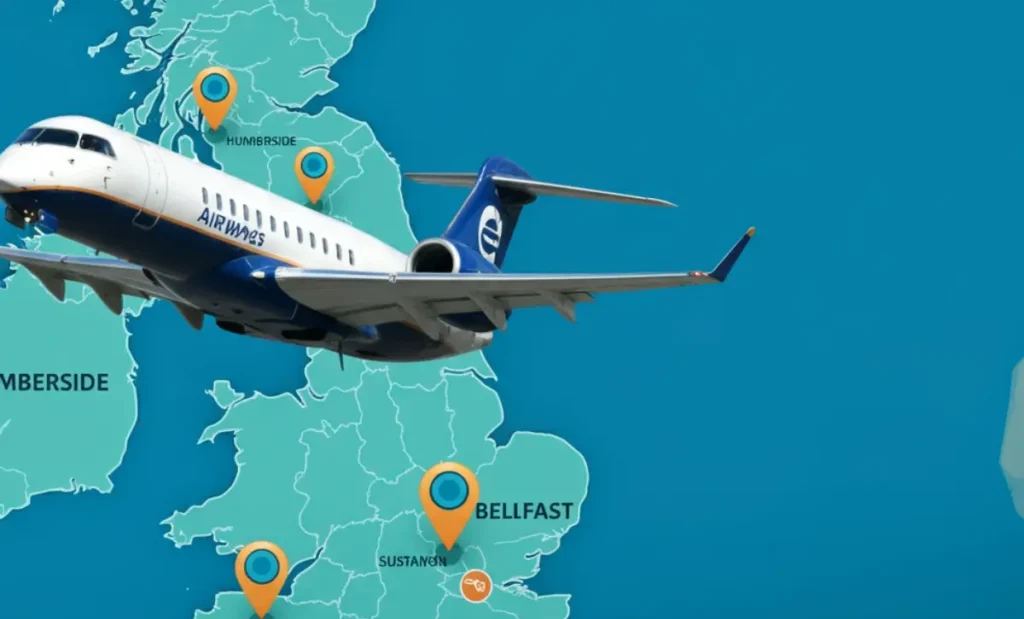
Eastern Airways is making headlines once again as the UK regional airline unveils fresh updates to its route expansion plans. With a renewed focus on serving regional airports, the airline aims to connect more cities and communities across the nation, offering greater flexibility and smoother travel for business and leisure passengers alike.
With more travellers choosing regional airports, Eastern Airways is ramping up its operations in 2024. The airline is investing in its network from major regional hubs like Humberside (near Hull), Teesside International, Southampton, and Belfast, responding to strong demand for reliable intercity flights and direct connections.
New Routes and Flight Schedule Changes
Travellers flying with Eastern Airways can expect several schedule adjustments and brand-new routes this season. Updates include additional flights linking Humberside, Teesside, Southampton, and Belfast—giving UK passengers more options and the convenience of avoiding larger, busier airports. The boost in services is a step forward for both business travellers seeking time-saving connections and holidaymakers planning regional getaways.
As the airline widens its coverage, local travellers have welcomed the improvements. One regular passenger shared, “Flying direct from Teesside means I spend less time on the road and more time with my family. It’s a huge relief.” However, some customers are keeping a close eye on ticket prices and any changes to flight timings.
Supporting Regional Passengers
The latest enhancements are not just about new destinations—they also reflect the airline’s commitment to increasing reliability and keeping regional communities connected. By focusing its fleet on routes that serve both busy and less-trafficked airports, Eastern Airways helps maintain transport links for people who depend on efficient domestic air travel.
For many, these improvements make daily commutes and spontaneous weekend breaks more achievable. Also, the competitive fares and wide-ranging schedule updates have made the airline a popular choice among travellers in the North East, South of England, and Northern Ireland.
Fleet Versatility and Regional Focus
Eastern Airways continues to operate a flexible fleet tailored to UK regional flights. Aircraft such as the Embraer 170/190 and ATR 72-600 are a familiar sight at Humberside and Teesside, well-suited to airports with shorter runways and variable demand. The airline’s focus on operational efficiency enables it to introduce more direct flights to destinations across the country while maintaining high service standards.
A travel analyst recently commented, “Eastern Airways stands out because of its responsive approach to regional travel needs and its ability to adjust quickly—two things that matter for passengers and local economies.”
About Eastern Airways
Since its founding in 1997, Eastern Airways has developed a reputation as a trusted UK regional airline, providing both scheduled and charter flights. The airline, headquartered at Humberside Airport, plays a vital role in linking hard-to-reach destinations, supporting regional economies, and offering practical alternatives to larger carriers. Its long-standing presence at airports such as Teesside and Southampton underscores its deep roots in regional air travel. For more details on their destinations and flight schedules, visit the official Eastern Airways website.
What’s Next for Eastern Airways?
Looking toward the future, Eastern Airways appears set to continue investing in both its fleet and route network, responding to passenger needs and market trends. The airline’s adaptability and commitment to UK-wide connectivity position it well for further growth, ensuring people across England, Scotland, and Northern Ireland can count on reliable routes and accessible fares. The evolving flight schedule reflects this ambition, promising even stronger links between key regional destinations.
How UK aviation routes and safety oversight actually work
New routes and retired aircraft types both depend on regulatory permissions that rarely make the headline. Airline licensing, airworthiness approvals, safety oversight and passenger rights enforcement in Britain are the responsibility of the Civil Aviation Authority, which also publishes the consumer guidance covering delays, cancellations and denied boarding. Airspace capacity and the flow management that decides how many aircraft can use a corridor at once is coordinated across Europe by EUROCONTROL, and it is a common but invisible cause of summer delays.
Route decisions themselves are commercial but heavily constrained. Slot availability at congested airports, aircraft range, crew basing rules and the seasonal balance of leisure and business demand all narrow the options, which is why regional expansion tends to cluster on a small number of city pairs. Passengers travelling internationally should also check the destination entry requirements published in the Foreign Office travel advice, since these change independently of any airline schedule.
Fleet renewal is the other force at work. Older aircraft types are withdrawn less for age than for fuel burn, maintenance cost and noise restrictions at particular airports, and the retirement of a familiar type usually reflects a network being rebuilt around more efficient equipment rather than a route being abandoned. For enthusiasts, final flights have become events in themselves, which is a relatively recent development and one the airlines now plan for.
Read more from HFlash
For related background, see the rules for travelling to Europe from the UK as they now stand. It is also worth reading how to buy a used smartphone before you travel, and our guide to how to stay secure on public networks.
Related coverage: Luxurious 14 Day Honeymoon in Africa Safari Adventure and When is the Last Jet2 757 Flight? A Final Farewell.