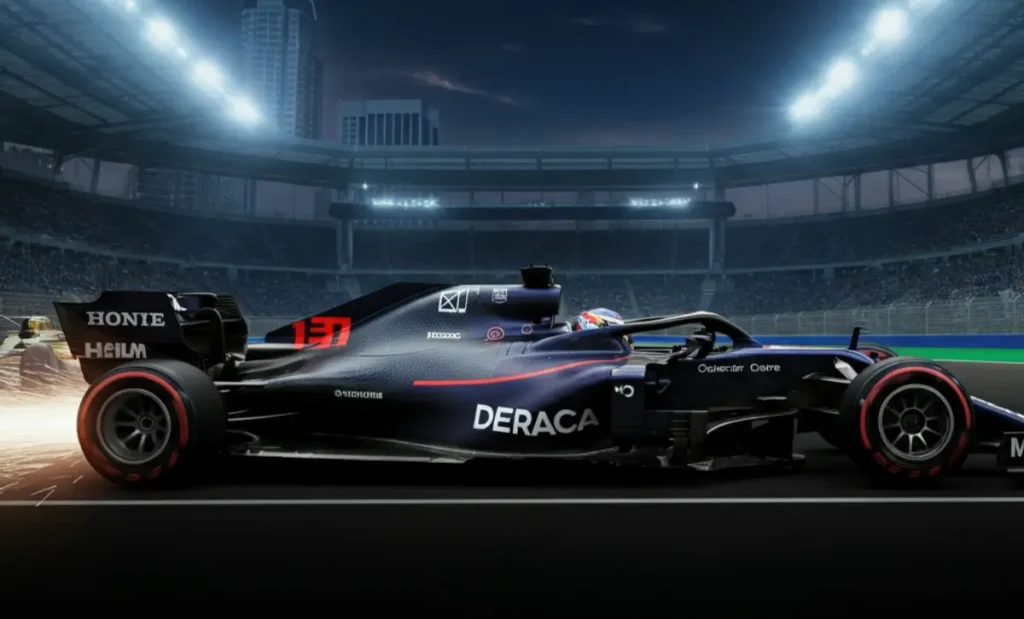
The 2025 Formula 1 season is more intense than ever, with each race making a real impact on the F1 standings. From unexpected overtakes to dramatic strategy calls, fans in the United States—and around the world—are watching the Drivers’ Championship and Constructors’ Championship with growing anticipation.
Drivers’ Championship: The Chase Heats Up
Take a look at the current Formula 1 standings and you’ll see just how close this year’s battle is. Max Verstappen leads the way for Red Bull Racing, but Charles Leclerc (Ferrari) and Lando Norris (McLaren) refuse to let him pull away. With just a few points separating these front-runners after the latest F1 results, every lap and pit stop counts more than ever.
There’s been no shortage of action: rapid-fire strategy calls, nerve-racking pole fights, and even the occasional reliability heartbreak have made sure the championship lead changes hands often. For fans, it’s a reminder that Formula 1 is as much about calculated risk as it is about speed.
Constructors’ Championship: Teams Pushing the Limits
While the spotlight often falls on individual drivers, the Constructors’ Championship is proving just as thrilling. Red Bull, Ferrari, and McLaren are all locked in a fierce contest, using new car upgrades and innovative tactics to try to build a points advantage. Even Mercedes, who faced early-season challenges, have found pace and are aiming to upset the status quo.
This year, teams like Aston Martin and Alpine are proving just how competitive the midfield can be, stealing crucial points whenever the opportunity arises. The Formula 1 standings reflect just how close the field has become, with every race weekend bringing a fresh twist.
What’s Shaping the F1 Standings?
The 2025 season has been packed with unpredictable storylines. From smart tire choices to bold undercut attempts, team strategists are pushing boundaries. Surprise drivers have stepped up too, climbing the Formula 1 standings with consistent performances. Reliability issues—even for front-runners—have thrown extra drama into the title race.
- Strategy: Creative pit stops and tire changes have made the difference in many of the latest F1 results.
- Rising Stars: Several underdog drivers are putting pressure on the big names, moving up the standings race by race.
- Mechanical setbacks: Engine troubles and penalties have reshuffled the championship order more than once.
The Next F1 Race: What’s at Stake?
Looking for the latest schedule, results, or live updates? Visit the official Formula 1 calendar and standings for full details on upcoming F1 races.
The next F1 race could see another big shake-up. Coming circuits challenge teams in unique ways—some offer long straights and high speeds, while others demand razor-sharp cornering and downforce. Teams and fans alike wonder: will Red Bull hold onto their lead, or could Ferrari or McLaren take the top spot?
For US fans in particular, excitement is building for this season’s events in Austin, Miami, and Las Vegas. These American Grands Prix aren’t just great spectacles—they could also play a major role in deciding this year’s F1 standings.
With the championship fight this close, every race becomes a must-watch event. Keep an eye on the Drivers’ Championship, Constructors’ Championship, and all the latest F1 results—because in 2025, anything can still happen in Formula 1.
You may also read : Patricia Routledge: The Lasting Legacy of a British Theatre Icon
You may visit our official website : hflash
How Formula 1 regulation shapes what happens on track
Grand Prix weekends are governed by two overlapping rulebooks, and knowing which one applies explains most of what looks arbitrary from the outside. The sporting and technical regulations, including the power unit rules, cost cap and the stewarding process, are issued by the FIA as the sport’s governing body. The commercial side, which covers the calendar, broadcast arrangements and the structure of sprint weekends, sits with Formula 1 itself. Penalties, protests and appeals therefore run through the FIA, not through the promoter.
For British drivers coming through the junior categories, the pathway is national before it is international. Karting licences, circuit racing licences and the medical and safety standards that go with them are administered in the UK by Motorsport UK, and progression into Formula 4, Formula 3 and Formula 2 depends on accumulating the FIA superlicence points that each of those series awards. That points system is the reason a driver can be quick and still not be eligible for a race seat, and it is why teams increasingly plan a driver’s campaign two or three seasons ahead.
The cost cap has changed the texture of the championship more than any aerodynamic rule in the same period. Because development spending is capped, teams choose between improving the current car and starting work on the next one, and a mid-season upgrade that fails to deliver is now genuinely expensive in competitive terms. Following the season closely means watching not only lap times but which teams have stopped developing, since that decision usually signals where they expect to be twelve months later.
Read more from HFlash
For related background, see the physical demands the UK guidelines set out for adults. It is also worth reading how sleep affects reaction time and recovery, and our guide to what UK fans travelling to European races need to know.
Related coverage: Beau Greaves: Shaping the Future of Women’s Darts and England Fall Short in Thrilling Series Decider Against New Zealand.