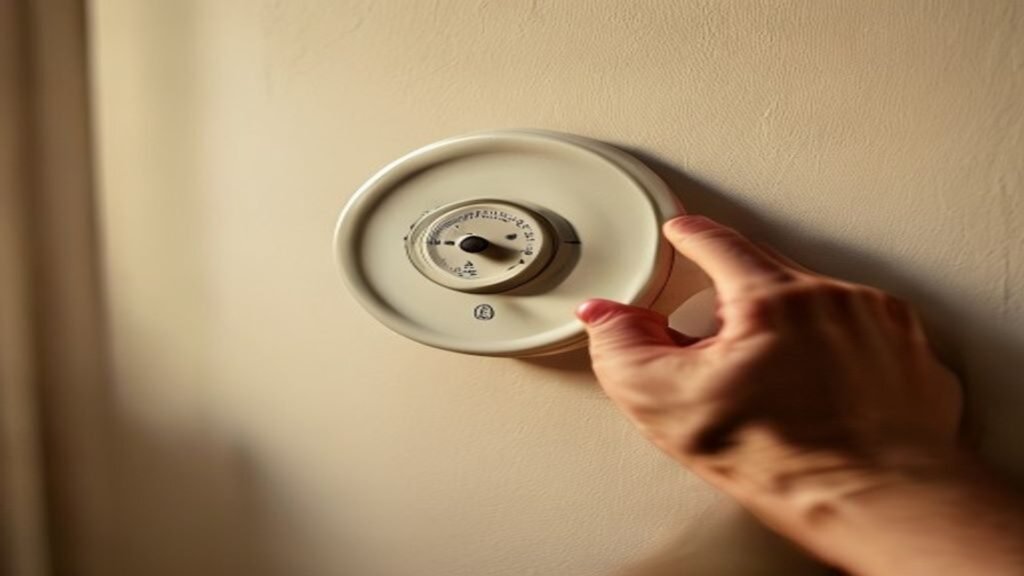
Energy advice in Britain arrives in two unhelpful varieties. One is trivial: unplug your phone charger, boil only the water you need. The other is capital-intensive: replace the boiler, insulate the walls, install a heat pump. Both are true in their way, and neither describes what most households can usefully do this month. The measures that actually move a bill sit in the middle, and there are not many of them.
Understand where the money goes
In a typical British home, space heating accounts for roughly half to two thirds of energy use, hot water for another sixth or so, and everything else, meaning lighting, cooking, appliances and electronics, splits the remainder. That distribution decides where effort belongs. Heating and hot water are the bill. Standby power is a rounding error.
The regulated price cap set by Ofgem changes quarterly and applies to unit rates and standing charges rather than to your total, which is the most commonly misunderstood point in the whole subject. A cap rise does not cap your bill; it caps what you pay per unit. Consumption is the variable you control.
The measures that actually work
Lowering the thermostat is the single largest lever available at no cost. Each degree of reduction in internal temperature cuts space heating demand by a meaningful percentage, and the difference between 21C and 19C is substantial across a heating season. The Energy Saving Trust publishes indicative figures for this, and its estimates are the most widely cited independent numbers in the UK.
Second, and almost nobody does this: turn down the flow temperature on a combi boiler. Most are set at factory defaults far higher than a condensing boiler needs, which prevents it from condensing and therefore from operating at its rated efficiency. Reducing the radiator flow temperature to around 60C, and lower if the house holds heat well, typically improves boiler efficiency by several per cent with no loss of comfort. It takes two minutes on the boiler control panel.
Third, heat the rooms you use. Thermostatic radiator valves turned down in unused rooms, doors closed, and a room thermostat set for the space you actually occupy is the cheapest zoning available.
Fourth, hot water. A cylinder thermostat at 60C is the safety floor for legionella control and anything above that is waste. For combi systems, shorter showers and a water-efficient shower head deliver more than any appliance change.
Draught-proofing beats insulation on cost per pound saved
Cavity wall and loft insulation are the standard recommendations and are genuinely effective, but they cost money and often require a grant. Draught-proofing does not. Letterboxes, keyholes, gaps under external doors, unused chimneys, floorboard gaps and badly fitting window frames collectively account for a surprising share of heat loss in older housing stock, and the materials cost tens of pounds rather than thousands.
If you are considering the larger measures, check eligibility for support before paying. Schemes change, but the current position is summarised on the government energy efficiency support pages, and eligibility is broader than most households assume.
Electricity: tariffs matter more than habits
For electricity specifically, the largest available saving for many households is not behavioural but contractual. Time-of-use tariffs price overnight electricity far below the daytime rate, which transforms the economics of running a dishwasher, washing machine, immersion heater or electric vehicle at night. This only works if you can genuinely shift load; if you cannot, a flat tariff is safer.
Smart meter data, available through your supplier app, is the tool that makes any of this measurable. Half-hourly readings identify the thing you did not know was expensive, which in a surprising number of homes turns out to be an old electric shower, a tumble dryer, or an immersion heater left on a permanent schedule.
What is mostly noise
Switching off standby saves a few pounds a year. LED bulbs are worth fitting but lighting is a small fraction of the bill. Radiator reflector panels have modest measurable effect. Boiling less water in a kettle saves pennies. None of it is wrong; all of it is small, and the danger of the trivial advice is that doing it feels like having addressed the problem.
If you are struggling
Energy debt is common and suppliers have obligations. If you cannot pay, contact your supplier before missing a payment: they are required to offer affordable payment plans and to discuss support. Independent help is available through Citizens Advice, which also runs the official energy consumer service. The Priority Services Register provides additional protections for pensioners, disabled people and households with young children, and registration is free.
More from lifestyle: what the physical activity guidelines really ask, the evidence on sleep, and the full lifestyle section.