Polycystic Ovary Syndrome (PCOS) is one of the most common hormonal disorders affecting women of reproductive age. While the exact cause remains unknown, it is characterized by hormonal imbalances, irregular periods, and the development of small cysts on one or both ovaries. For many women, PCOS is more than just a reproductive issue; it is a metabolic condition that can influence overall health, weight, and emotional well-being.
Navigating life with PCOS can feel overwhelming, but lifestyle changes—specifically dietary adjustments—are among the most effective tools for managing symptoms. What you eat has a direct impact on your hormone levels, insulin resistance, and inflammation, which are the core drivers of PCOS symptoms. This comprehensive guide explores the relationship between diet and PCOS, offering a detailed roadmap of which foods can support your health and which ones might hinder your progress.
Understanding PCOS and Its Impact on Health
To understand why diet is so powerful, we must first look at the underlying mechanisms of PCOS. The condition is often linked to higher-than-normal levels of androgens (so-called “male hormones”) and insulin.
Insulin is a hormone produced by the pancreas that allows cells to use sugar (glucose) from the food we eat for energy. Many women with PCOS have insulin resistance. This means their body’s cells don’t respond normally to insulin. As a result, blood sugar levels rise, triggering the pancreas to produce even more insulin to compensate.
These high levels of insulin can wreak havoc on the body. Excess insulin signals the ovaries to produce more androgens, such as testosterone. This increase in androgens can lead to common PCOS symptoms, including:
- Weight gain or difficulty losing weight: Particularly around the abdomen.
- Hirsutism: Excess hair growth on the face and body.
- Acne: Persistent skin issues caused by oily skin.
- Irregular ovulation: Leading to fertility challenges.
Furthermore, chronic low-grade inflammation is often present in women with PCOS. This inflammation can stimulate polycystic ovaries to produce androgens, creating a cycle that can be difficult to break without intervention.
The Role of Diet in PCOS Management
Given that insulin resistance and inflammation are two major pillars of PCOS, diet becomes a primary treatment strategy. While there is no single “magic” diet for everyone, the goal is generally to stabilize blood sugar levels and lower inflammation.
A strategic dietary approach can help you:
- Improve Insulin Sensitivity: By choosing foods that release energy slowly, you prevent the sharp spikes in blood sugar that trigger excess insulin production.
- Balance Hormones: Regulating insulin helps lower androgen levels, which can normalize menstrual cycles and reduce physical symptoms like acne.
- Manage Weight: A nutrient-dense diet helps control appetite and metabolism, making it easier to maintain a healthy weight.
- Reduce Inflammation: Eating anti-inflammatory foods can calm the immune system and reduce the severity of symptoms.
It is not about severe restriction or starvation; it is about nourishment and choosing foods that work with your body rather than against it.
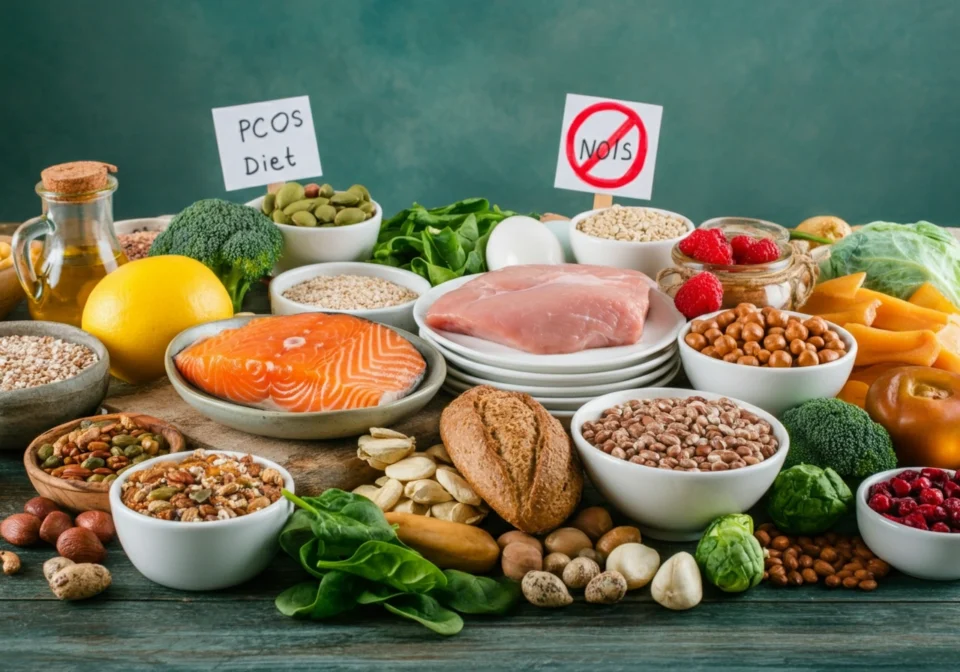
Foods to Include in a PCOS-Friendly Diet
The best foods for PCOS are those that are nutrient-dense, high in fiber, and low on the glycemic index (GI). These foods help keep you full longer and provide steady energy.
High-Fiber Foods
Fiber is a crucial component of a PCOS diet. It slows down digestion and reduces the impact of sugar on the blood. This helps combat insulin resistance. Aim for plenty of:
- Cruciferous vegetables: Broccoli, cauliflower, and Brussels sprouts.
- Leafy greens: Spinach, kale, and arugula (rich in B vitamins, which are vital for symptom management).
- Legumes: Lentils, black beans, and chickpeas.
- Root vegetables: Sweet potatoes and carrots (eaten with skin on for extra fiber).
Lean Proteins
Protein is essential for stabilizing blood sugar and keeping you satiated. It doesn’t spike insulin levels the way carbohydrates do. Focus on high-quality sources such as:
- Fatty fish: Salmon, mackerel, sardines, and tuna. These are rich in Omega-3 fatty acids, which fight inflammation.
- Poultry: Chicken and turkey (skinless helps reduce saturated fat).
- Plant-based protein: Tofu, tempeh, and edamame.
Anti-Inflammatory Foods
Since inflammation is a key driver of PCOS, incorporating foods that actively reduce inflammation is beneficial.
- Tomatoes: Rich in lycopene.
- Berries: Strawberries, blueberries, and raspberries contain powerful antioxidants.
- Turmeric and ginger: Spices known for their anti-inflammatory properties.
- Nuts and seeds: Walnuts, almonds, flaxseeds, and chia seeds. Flaxseeds specifically may help reduce androgen levels.
Healthy Fats
Don’t fear fat. Healthy fats are necessary for hormone production and absorption of vitamins.
- Avocados: A great source of monounsaturated fats.
- Olive oil: Extra virgin olive oil is a staple of the Mediterranean diet, which is often recommended for PCOS.
- Coconut oil: In moderation.
Whole Grains
Carbohydrates are not the enemy, but the type of carbohydrate matters. Whole grains take longer to break down than refined grains.
- Quinoa: A complete protein and a complex carb.
- Oats: Steel-cut or rolled oats are excellent for breakfast.
- Brown rice: A better alternative to white rice.
- Buckwheat and barley.
Foods to Avoid for Better PCOS Management
Just as certain foods can heal, others can exacerbate symptoms by spiking insulin and increasing inflammation. Minimizing or avoiding these foods can lead to significant improvements in how you feel.
Refined Carbohydrates
These foods are stripped of fiber and nutrients. They cause rapid spikes in blood sugar, leading to an immediate insulin response.
- White bread and pastries: Muffins, cakes, and white bagels.
- White pasta and rice: Standard pizza dough and noodles.
- Sugary cereals: Most boxed breakfast cereals are high in sugar and low in fiber.
Sugary Beverages and Snacks
Liquid sugar is particularly problematic because it hits the bloodstream almost instantly.
- Sodas and energy drinks: Packed with high-fructose corn syrup.
- Fruit juices: Even 100% juice lacks the fiber of whole fruit and causes sugar spikes.
- Sweetened yogurts: Often contain as much sugar as a dessert.
Processed Meats and Red Meat
High consumption of processed meats is linked to inflammation and heart disease.
- Hot dogs, sausages, and luncheon meats: Often contain nitrates and high levels of sodium.
- Excessive red meat: Steaks and hamburgers should be eaten in moderation, as they are high in saturated fats which can worsen inflammation.
Dairy (For Some)
The relationship between dairy and PCOS is debated. Dairy contains a hormone called IGF-1 (Insulin-like Growth Factor 1), which mimics the structure of insulin and can potentially increase androgen production.
- Some women find that eliminating cow’s milk, cheese, and heavy cream reduces acne and bloating.
- If you enjoy dairy, consider switching to hard cheeses or fermented options like Greek yogurt, or try plant-based alternatives like almond or oat milk.
Trans Fats and Fried Foods
These are detrimental to general health but particularly harmful for those with metabolic conditions.
- Fast food: Fries, fried chicken, and hash browns.
- Solid fats: Margarine and shortening used in baking.
Practical Tips for Building a PCOS Plate
Knowing what to eat is one thing; putting it into practice is another. Here are some actionable strategies to help you implement these changes sustainably.
1. The Plate Method
Instead of counting calories, visualize your plate. Fill half of your plate with non-starchy vegetables (greens, peppers, broccoli). Fill one-quarter with lean protein (chicken, fish, tofu). Fill the remaining quarter with low-GI carbohydrates (quinoa, sweet potato, berries). Add a thumb-sized portion of healthy fats (avocado, olive oil).
2. Don’t Skip Meals
Skipping meals can cause your blood sugar to crash, leading to intense cravings and overeating later. Try to eat regular meals every 3 to 4 hours to keep blood sugar stable.
3. Read Labels
Marketing can be deceptive. A product labeled “healthy” or “natural” can still be loaded with added sugars. Look at the ingredient list. If sugar (or one of its many names like sucrose, glucose, or corn syrup) is in the top three ingredients, put it back.
4. Hydrate
Sometimes thirst is mistaken for hunger. Drinking plenty of water aids in digestion and helps combat bloating. Herbal teas, such as spearmint tea, have also shown promise in reducing androgen levels in some studies.
5. Plan Ahead
Preparation is the key to consistency. If you have healthy snacks like nuts, chopped veggies, or hard-boiled eggs ready in the fridge, you are less likely to reach for chips or cookies when hunger strikes.
Conclusion
Living with PCOS presents unique challenges, but it also offers an opportunity to connect deeply with your body’s needs. While there is no cure for PCOS, dietary intervention is a potent way to manage symptoms and improve your quality of life. By focusing on whole, unprocessed foods that stabilize blood sugar and lower inflammation, you can take control of your health.
Remember that dietary changes should be sustainable. It is not about perfection; it is about progress. Start by swapping out one refined carb for a whole grain, or adding a serving of vegetables to your lunch. Over time, these small shifts accumulate, leading to better hormonal balance, increased energy, and a healthier you. Always consult with a healthcare provider or a registered dietitian before making drastic changes to ensure your diet aligns with your specific medical needs.
