
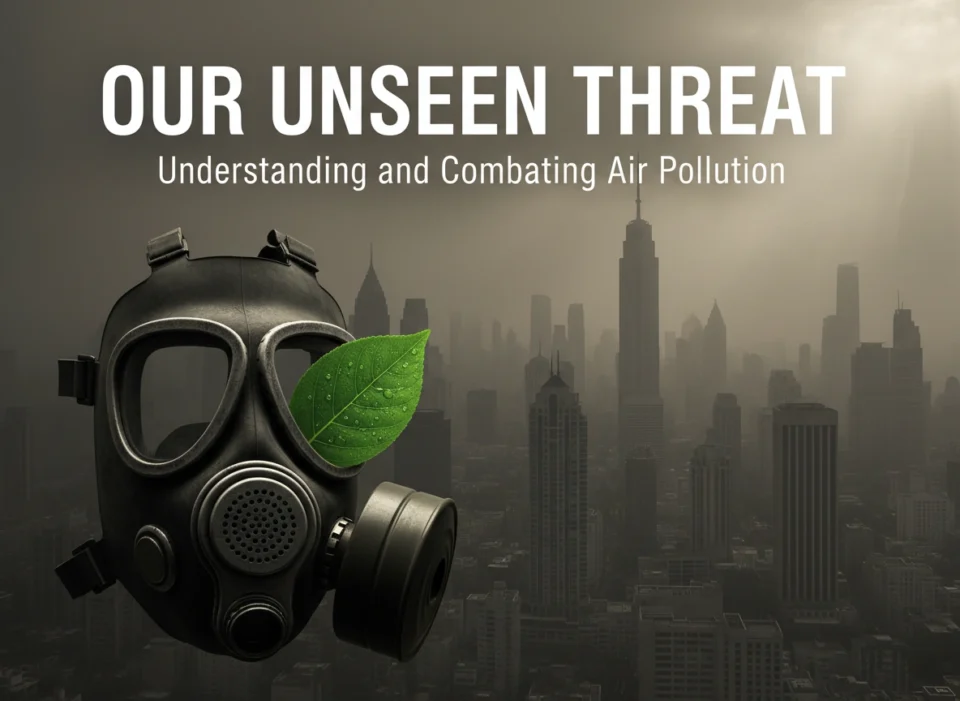
Air is the most essential element for life, yet the quality of the air we breathe is increasingly compromised. Air pollution, the presence of harmful substances in the Earth’s atmosphere, has become one of the most pressing environmental and public health challenges of our time. These pollutants, often invisible to the naked eye, originate from a wide array of sources and have profound impacts on human health, ecosystems, and the global climate. Understanding the causes and effects of air pollution is the first step toward taking meaningful action. This article explores the complexities of this issue and outlines the critical role we all play in clearing the air for future generations.
The Sources: Where Does Air Pollution Come From?
Air pollutants are not monolithic; they are a complex mixture of particles and gases that arise from both natural and human activities. While natural events like volcanic eruptions and wildfires contribute to air pollution, the most significant and consistent sources are anthropogenic, or human-caused.
1. Combustion of Fossil Fuels:
The cornerstone of modern industrial society is also the primary driver of air pollution. The burning of coal, oil, and natural gas for electricity generation, heating, and transportation releases a host of harmful pollutants. Power plants and industrial facilities emit vast quantities of sulfur dioxide (SO2), nitrogen oxides (NOx), particulate matter (PM), and heavy metals. Vehicles with internal combustion engines are major sources of carbon monoxide (CO), nitrogen oxides, and volatile organic compounds (VOCs). These primary pollutants can also react in the atmosphere to form secondary pollutants, such as ozone (O3), a key component of smog.
2. Industrial and Manufacturing Processes:
Beyond energy production, various industries contribute significantly to air pollution. Chemical manufacturing, mining operations, and oil refining release specific toxins and particulate matter into the atmosphere. For example, solvents used in the production of paints and other consumer goods release VOCs, which contribute to the formation of ground-level ozone. Smelting processes can release heavy metals like lead and mercury, which are highly toxic even in small concentrations.
3. Agricultural Activities:
Modern agriculture is another substantial source of air pollutants. The use of nitrogen-based fertilizers results in the emission of ammonia (NH3), a compound that can form harmful fine particulate matter in the atmosphere. Livestock, particularly cattle, produce large amounts of methane (CH4), a potent greenhouse gas. The practice of burning agricultural waste, common in many parts of the world, releases smoke, particulate matter, and carbon monoxide directly into the air.
4. Waste Management:
The disposal of waste is an often-overlooked contributor to air pollution. Landfills generate methane as organic waste decomposes in an anaerobic environment. The incineration of waste, while reducing landfill volume, can release a dangerous cocktail of pollutants, including dioxins, furans, and heavy metals, if not managed with advanced pollution control technologies.
The Consequences: A High Price for Polluted Air
The effects of air pollution are far-reaching and devastating, impacting human health, the environment, and the economy. The World Health Organization estimates that air pollution is responsible for millions of premature deaths each year, making it the single largest environmental health risk globally.
Impacts on Human Health:
Exposure to air pollutants can cause a wide range of health problems, from minor irritations to life-threatening diseases.
- Respiratory Illnesses: Fine particulate matter (PM2.5), which are particles smaller than 2.5 micrometers in diameter, can penetrate deep into the lungs and even enter the bloodstream. This exposure is linked to asthma, bronchitis, reduced lung function, and an increased risk of lung cancer. Nitrogen dioxide and sulfur dioxide can irritate the airways, exacerbating conditions like asthma.
- Cardiovascular Disease: Growing evidence connects air pollution to heart attacks, strokes, and other cardiovascular problems. The inflammation and oxidative stress caused by pollutants can damage blood vessels and increase the risk of blood clots.
- Neurological and Developmental Effects: Emerging research suggests that air pollution can affect brain development and cognitive function. Exposure during pregnancy has been linked to lower birth weights and developmental delays in children. In adults, it may accelerate cognitive decline and increase the risk of neurodegenerative diseases.
Environmental Degradation:
The environment bears a heavy burden from air pollution.
- Acid Rain: Sulfur dioxide and nitrogen oxides react with water, oxygen, and other chemicals in the atmosphere to form sulfuric and nitric acids. These acids fall to the Earth as acid rain, which can acidify lakes and streams, damage forests, and harm aquatic life. It also corrodes buildings, statues, and other man-made structures.
- Eutrophication: Nitrogen deposition from air pollution can lead to eutrophication in water bodies. This over-enrichment of nutrients causes excessive growth of algae, which depletes oxygen in the water when it decomposes, creating “dead zones” where fish and other aquatic life cannot survive.
- Ozone Depletion and Climate Change: While ground-level ozone is harmful, the stratospheric ozone layer protects life on Earth from harmful ultraviolet (UV) radiation. Certain pollutants, such as chlorofluorocarbons (CFCs), have depleted this protective layer. Furthermore, many air pollutants, including carbon dioxide, methane, and nitrous oxide, are greenhouse gases that trap heat in the atmosphere, driving global climate change.
The Path Forward: How We Can Reduce Air Pollution
Addressing air pollution requires a concerted effort from governments, industries, and individuals. While large-scale policy changes are essential, personal and community actions collectively make a significant difference.
Individual and Community Actions:
- Reduce Transportation Emissions: Opt for public transportation, carpooling, biking, or walking whenever possible. If driving is necessary, choose fuel-efficient or electric vehicles. Combining errands into one trip can also reduce mileage and emissions. Regular vehicle maintenance, including checking tire pressure and getting timely oil changes, ensures your car runs as efficiently as possible.
- Conserve Energy at Home: A significant portion of air pollution comes from power generation. By reducing your energy consumption, you decrease the demand on power plants. Use energy-efficient appliances, switch to LED lighting, properly insulate your home, and unplug electronics when not in use. Consider switching to a renewable energy provider if available in your area.
- Make Conscious Consumer Choices: Support companies committed to sustainable practices. Purchase local products to reduce the emissions associated with long-distance shipping. Reduce, reuse, and recycle to minimize waste that ends up in landfills or incinerators. Avoid products with excessive packaging.
- Limit Burning: Refrain from burning yard waste or trash, which releases harmful pollutants directly into your neighborhood. If you use a wood-burning stove or fireplace, ensure it is a modern, efficient model and only burn dry, seasoned wood.
- Advocate for Change: Use your voice to support policies that promote clean air. This can include stricter emissions standards for industries and vehicles, investment in public transportation and renewable energy, and the creation of more green spaces in urban areas. Participate in local government meetings and support environmental organizations working on this issue.
A Collective Responsibility for a Cleaner Future
Air pollution is a silent but formidable threat that permeates our daily lives. Its causes are deeply embedded in the structures of modern society, and its effects compromise our health and the stability of our planet. However, this challenge is not insurmountable. Through a combination of technological innovation, robust policy, and a fundamental shift in individual behavior, we can reverse this trend.
The air we breathe connects us all. Every decision to conserve energy, to choose a cleaner mode of transport, or to advocate for better policies is a step toward a healthier world. The responsibility to protect this vital resource rests on all of our shoulders. Let us commit to taking decisive action today to ensure that clean, breathable air is not a luxury, but a fundamental right for everyone, everywhere.Please visit website for more info.
You may also read: The Carnivore Diet: Benefits, Risks, and a Sample Meal Plan
