
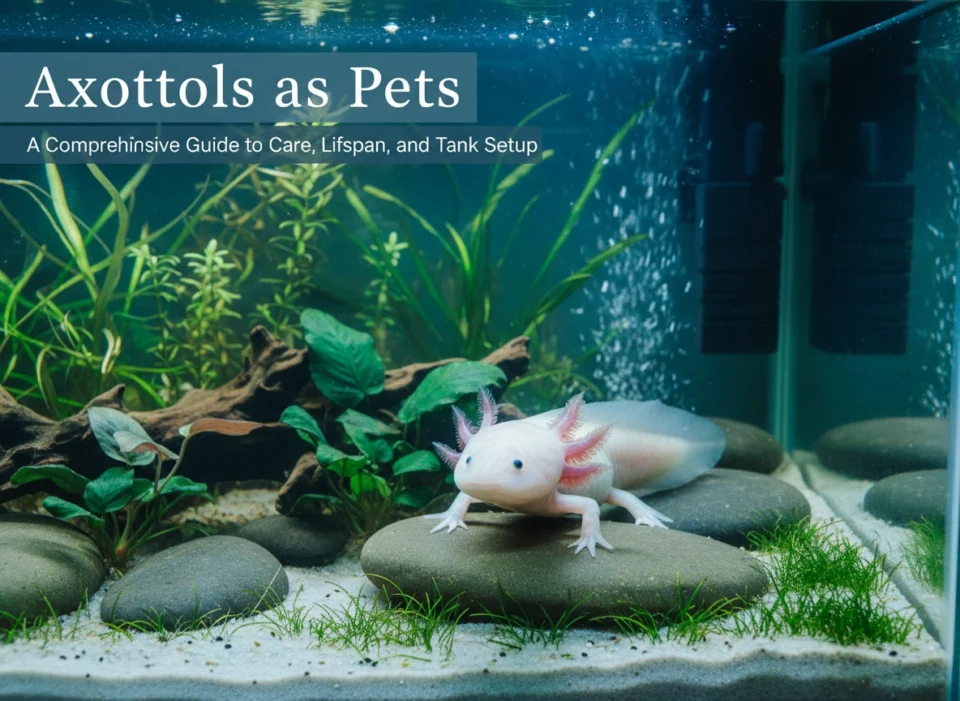
The axolotl (Ambystoma mexicanum) is one of the most unique and recognizable creatures in the aquatic world. Often referred to as the “Mexican walking fish,” this fascinating animal isn’t a fish at all but a neotenic salamander. This means that unlike other amphibians, axolotls do not undergo metamorphosis to live on land. Instead, they retain their larval features—including their feathery external gills and finned tail—throughout their entire lives.
Native exclusively to the lake complex of Xochimilco near Mexico City, wild axolotls are critically endangered. However, their popularity in the pet trade has surged in recent years, thanks in part to their endearing “smile” and appearances in popular culture like the video game Minecraft. While they are captivating to watch, potential owners must understand that axolotls are not low-maintenance pets. They require specific water parameters, cool temperatures, and a dedicated care routine to thrive. This guide will walk you through everything you need to know to provide a healthy, happy home for these aquatic oddities.
Why Axolotls Make Great Pets
For the right owner, an axolotl is a deeply rewarding companion. They offer a window into a prehistoric world, possessing regenerative abilities that have baffled scientists for decades—they can regrow lost limbs, organs, and even parts of their brain. But beyond their biological marvels, they have distinct personalities.
Axolotls are interactive creatures. Once they become accustomed to their owners, they often swim up to the glass to greet you, hoping for a worm or pellet. They are generally slow-moving and peaceful, making them a calming presence in a room. Unlike hamsters or dogs, they don’t require daily walks or extensive social interaction, but they are far more engaging than your average goldfish. Their exotic appearance, with their crown of gills and wide-set eyes, makes them a stunning centerpiece for any aquarium enthusiast.
However, “great” does not mean “easy.” They are best suited for intermediate aquarists or beginners who are willing to do significant research before purchasing.
Detailed Care Requirements
Keeping an axolotl healthy requires strict adherence to their biological needs. Unlike tropical fish, they have very specific requirements regarding temperature and water chemistry.
Diet and Nutrition
Axolotls are carnivores with hearty appetites. In the wild, they eat worms, insects, and small fish. In captivity, their diet should focus on high-protein, low-fat foods.
- Earthworms and Nightcrawlers: These are the gold standard for axolotl nutrition. They provide the necessary protein and calcium ratios. Ensure you source them from bait shops or pet stores rather than your garden to avoid pesticides.
- Pellets: High-quality sinking carnivore pellets (specifically designed for axolotls or salmon) are excellent staples.
- Treats: Bloodworms (frozen or live) are a favorite treat but lack the nutritional density to be a main meal. Think of them as aquatic candy. Brine shrimp and daphnia are also good options, particularly for younger axolotls.
Avoid feeding them feeder fish, which can carry parasites and diseases, or meat from mammals (like beef heart), which is difficult for them to digest. Adult axolotls typically need to be fed every two to three days, while juveniles need daily feeding.
Water Quality and Parameters
Water quality is the single most critical factor in axolotl care. Their skin is permeable, making them highly sensitive to toxins in the water.
- Cycling: You must cycle your tank (establish the nitrogen cycle) before getting your axolotl. This process builds up beneficial bacteria that convert toxic ammonia (from waste) into nitrites and then nitrates.
- Ammonia and Nitrite: These should always be at 0 ppm. Even small spikes can burn their gills and skin.
- Nitrate: Keep this below 20 ppm through weekly water changes.
- pH: A pH between 7.4 and 7.6 is ideal, though they can tolerate a range of 6.5 to 8.0.
- Temperature: This is where many new owners fail. Axolotls are cold-water animals. They require water temperatures between 60°F and 64°F (15°C – 18°C). Temperatures above 75°F (24°C) can cause heat stress, illness, and death. You may need an aquarium chiller or clip-on fans to maintain this range, especially in summer.
Handling
Axolotls are display pets, not tactile ones. They have a delicate slime coat that protects their skin from infection. Touching them with dry hands or handling them unnecessarily can damage this coat. If you must move them, use a fine-mesh net or, even better, gently guide them into a container filled with tank water.
Lifespan and Longevity Factors
When cared for correctly, axolotls are a long-term commitment. Their average lifespan in captivity is 10 to 15 years, with some individuals reaching up to 20 years. This puts them on par with many dog breeds in terms of longevity.
Several factors directly influence how long your axolotl will live:
- Genetic Health: Inbreeding is a significant issue in the pet trade due to the limited gene pool. Buying from a reputable breeder who tracks lineage can help ensure you get a healthy animal.
- Consistent Water Quality: Chronic exposure to poor water conditions, even if not immediately fatal, creates long-term stress that shortens their life.
- Temperature Stress: Keeping an axolotl constantly at the upper limit of their temperature range speeds up their metabolism unnecessarily and weakens their immune system.
- Impaction: Ingesting gravel or small stones is a common cause of premature death. If an axolotl swallows something it cannot digest or pass, it causes a fatal blockage.
Step-by-Step Guide to Setting Up an Ideal Tank
Creating the perfect habitat is the first step to successful ownership. Here is how to build a safe and enriching environment.
1. Tank Size
Bigger is always better. The minimum requirement for a single juvenile axolotl is 20 gallons, but a 29-gallon or 40-gallon breeder tank is strongly recommended for an adult. Axolotls produce a high “bioload” (a lot of waste), and larger volumes of water dilute toxins more effectively, making the water chemistry more stable. They are bottom dwellers, so floor space is more important than height. A long, wide tank is superior to a tall, narrow one.
2. Substrate
This is a controversial topic with a clear safety answer. Axolotls feed by suction—they open their mouths quickly, sucking in water and food like a vacuum. Anything near their mouth gets inhaled.
- Safe Options: Fine sand (which passes through their digestive system easily) or a bare-bottom tank (no substrate). Large river stones that are strictly bigger than the axolotl’s head are also safe.
- Dangerous Options: Aquarium gravel, small pebbles, or marbles. These are major impaction hazards and should never be used.
3. Filtration
Because axolotls are messy eaters and produce significant waste, good filtration is essential. However, they prefer still water and get stressed by strong currents.
- Sponge Filters: These are often the best choice. They provide excellent biological filtration and create gentle bubbles rather than a strong flow.
- Canister or Hang-on-Back Filters: These can be used if they are rated for a larger tank size to handle the waste, but you must use a spray bar or baffles to disperse the output flow. If the axolotl’s gills are curled forward, the current is likely too strong.
4. Lighting and Decorations
Axolotls do not have eyelids and are sensitive to bright light.
- Lighting: Low light is preferred. If you want aquarium lights for viewing, ensure the tank has plenty of shady spots.
- Hides: You must provide at least two hiding spots (caves, PVC pipes, or terracotta pots) where the axolotl can escape light and feel secure.
- Plants: Live plants help with water quality. Choose hardy, low-light, cold-water plants like Java Fern, Anubias (attached to driftwood or rocks), or Marimo moss balls. Floating plants like Frogbit can also help shade the tank.
5. Water Conditioner
Never use tap water straight from the sink without treating it. Chlorine and chloramines used in municipal water are deadly to amphibians. Use a high-quality water conditioner (like Seachem Prime) that removes chlorine, chloramines, and detoxifies heavy metals.
Common Health Issues and Troubleshooting
Prevention is the best medicine, but even experienced keepers may encounter health issues.
Fungus
This usually appears as a white, cotton-like growth on the gills or injury sites. It is often a secondary infection caused by stress, poor water quality, or heat.
- Treatment: Check water parameters immediately and perform a water change. Tea baths (using plain black tea) can be a mild antifungal treatment due to the tannins. Salt baths are a more aggressive treatment but must be done carefully to avoid damaging their skin.
Gill Curling and Tail Curling
If the tip of the tail is curled into a hook shape, or the gills are curved forward aggressively, this is a sign of stress.
- Solution: This is almost always environmental. Check the temperature (is it too hot?) and the water flow (is it too strong?). Test for ammonia spikes immediately.
Impaction
If your axolotl stops eating, floats uncontrollably, or hasn’t passed waste in a while, they may be impacted.
- Solution: Move them to a smaller container with cool, clean water. sometimes “fridging” (placing the axolotl in the fridge at 40-45°F) is recommended by veterinarians to slow metabolism and help them pass the object, but this should only be done after consulting an expert or vet guide, as it carries risks.
Floating
Occasional floating is normal, but if the axolotl cannot stay at the bottom, it might have swallowed air or be suffering from gas.
- Solution: Usually, this resolves on its own. Ensure the water is shallow enough that they can touch the bottom while floating to reduce stress. If it persists, check for digestive issues.
Conclusion
Owning an axolotl is a unique journey into the world of amphibians. While they require a specific setup—cold water, zero ammonia, and safe substrate—the payoff is a relationship with one of nature’s most curious animals. By investing in the right tank setup (a 40-gallon breeder with fine sand and a sponge filter is your best bet) and maintaining a strict diet of earthworms, you can expect your aquatic friend to be with you for over a decade.
If you are looking for a pet that is quiet, fascinating, and delightfully weird, the axolotl might just be the perfect addition to your home. Just remember: cool water, clean tank, and happy gills.Please visit this website for more info.
You may also read: Are Bluetooth Headphones Safe? Debunking Myths and Facts
