
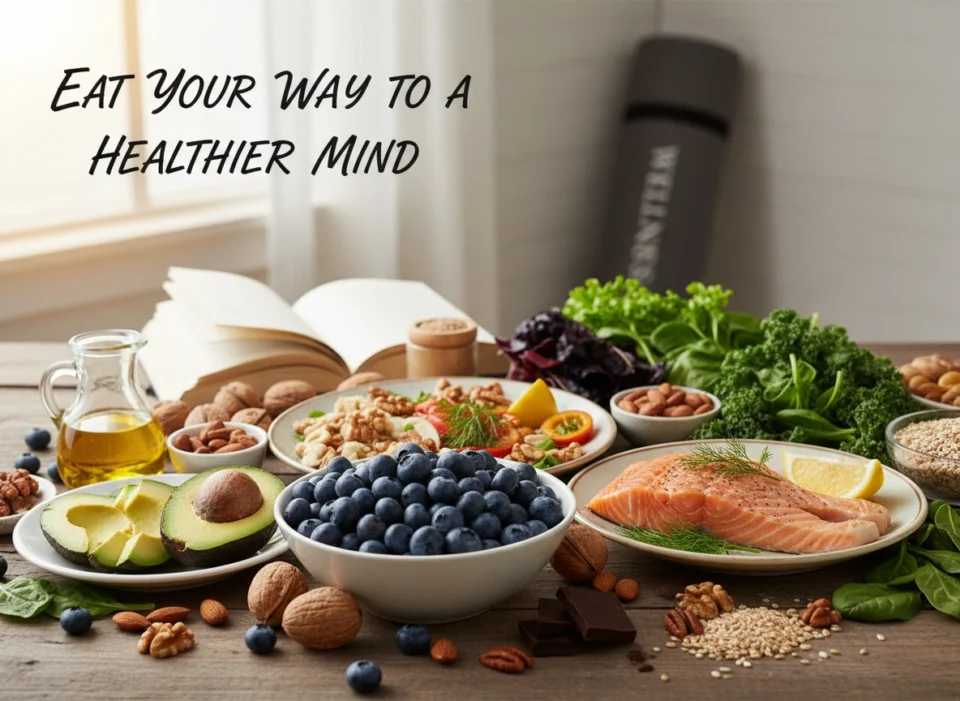
We often link our diets to physical health—managing weight, preventing heart disease, or building muscle. Yet, the food we eat has a profound and direct impact on our mental health and well-being. The connection between what’s on our plate and how we feel is not just a passing thought; it’s a field of science gaining significant attention. This article explores how nutrition influences your mood, cognitive function, and overall mental wellness, offering practical ways to nourish your brain.
Understanding this link empowers you to make dietary choices that support not just your body, but your mind as well. We will examine key nutrients, dietary patterns, and specific foods that can help you build a stronger foundation for mental resilience and emotional balance.
The Gut-Brain Connection: Your Second Brain
To understand how food affects mood, we must first look at the gut-brain axis. This is a complex communication network that connects your gastrointestinal tract with your central nervous system. Think of your gut as a “second brain,” constantly sending signals to the brain that influence everything from your emotions to your ability to think clearly.
A significant portion of your body’s serotonin, a key neurotransmitter responsible for regulating mood, sleep, and appetite, is produced in the gut. A healthy gut microbiome—the community of trillions of bacteria living in your digestive system—is essential for this production. When this microbiome is out of balance, it can disrupt serotonin levels and contribute to feelings of anxiety, depression, and stress.
A diet rich in processed foods, sugar, and unhealthy fats can harm the good bacteria in your gut. Conversely, a diet full of whole foods, fiber, and probiotics helps these beneficial bacteria thrive, supporting a healthier gut-brain connection and, consequently, a more stable mood.
Key Nutrients for a Healthy Brain
Your brain is an incredibly active organ, consuming about 20% of your body’s total calories. It requires a constant supply of specific nutrients to function correctly. Deficiencies in these key areas can directly impact your mental health.
Omega-3 Fatty Acids
Omega-3s are essential fats that your body cannot produce on its own, meaning you must get them from your diet. They are a crucial component of brain cell membranes, helping to reduce inflammation and support communication between brain cells. Research suggests that adequate intake of omega-3s, particularly EPA and DHA, can help lower the risk of depression and improve symptoms in those already experiencing it.
- Top Sources: Fatty fish (salmon, mackerel, sardines), flaxseeds, chia seeds, walnuts, and fortified eggs.
B Vitamins
The family of B vitamins, especially B12, B6, and folate (B9), plays a vital role in brain health. They are involved in producing neurotransmitters like serotonin and dopamine, which regulate mood. A deficiency in B vitamins, particularly B12, has been linked to depression, fatigue, and memory problems. Folate is also critical; low levels are often observed in people with depression.
- Top Sources:
-
- B12: Meat, fish, eggs, and dairy products.
- Folate: Leafy greens (spinach, kale), lentils, beans, and asparagus.
- B6: Chicken, fish, potatoes, and bananas.
Amino Acids
Amino acids are the building blocks of proteins, and they are also precursors to neurotransmitters. For example, the amino acid tryptophan is needed to create serotonin. Tyrosine is another essential amino acid required for the production of dopamine and norepinephrine, which influence motivation, focus, and alertness. Including enough protein in your diet ensures your brain has the raw materials it needs.
- Top Sources: Lean meat, poultry, fish, eggs, dairy, nuts, seeds, and legumes.
Antioxidants and Polyphenols
The brain is highly susceptible to oxidative stress, a process that damages cells and contributes to aging and neurodegenerative diseases. Antioxidants, such as vitamins C and E, help protect the brain from this damage. Polyphenols, compounds found in plants, also have powerful antioxidant and anti-inflammatory properties that support cognitive function and mood.
- Top Sources: Berries, dark chocolate, leafy greens, beans, green tea, and colorful vegetables like bell peppers and beets.
Dietary Patterns That Support Mental Well-Being
While individual nutrients are important, your overall dietary pattern has the most significant impact. Focusing on whole-food-based diets rather than individual “superfoods” is a more effective long-term strategy.
The Mediterranean Diet
The Mediterranean diet is one of the most studied dietary patterns for its benefits on both physical and mental health. It emphasizes whole grains, fruits, vegetables, legumes, nuts, seeds, and healthy fats like olive oil. It also includes moderate consumption of fish and poultry and limited intake of red meat and sweets.
Studies have consistently shown that people who follow a Mediterranean-style diet have a lower risk of developing depression. Its anti-inflammatory properties, high nutrient density, and positive effects on the gut microbiome all contribute to its brain-boosting benefits.
Limiting Processed Foods and Sugar
A diet high in refined sugars, processed foods, and unhealthy fats can have a detrimental effect on mental health. Sugary foods and drinks cause rapid spikes and crashes in blood sugar levels, which can lead to mood swings, irritability, and fatigue. Furthermore, these foods promote inflammation and disrupt the gut microbiome, directly impacting the gut-brain axis.
Making a conscious effort to reduce your intake of sugary snacks, fast food, and highly processed meals can lead to noticeable improvements in your mood and energy levels. Opt for whole, unprocessed foods whenever possible.
Practical Tips for Nourishing Your Mind
Making changes to your diet doesn’t have to be overwhelming. Start with small, manageable steps to build sustainable habits.
- Prioritize Whole Foods: Build your meals around fruits, vegetables, whole grains, lean proteins, and healthy fats. Aim to “eat the rainbow” by including a variety of colorful plants in your diet to maximize your intake of different vitamins and antioxidants.
- Incorporate Healthy Fats: Add sources of omega-3s to your weekly routine. This could be having fatty fish twice a week, sprinkling flax or chia seeds on your oatmeal, or snacking on a handful of walnuts.
- Stay Hydrated: Dehydration can impair cognitive function and negatively affect your mood. Drink plenty of water throughout the day.
- Mind Your Gut: Include probiotic-rich foods like yogurt, kefir, kimchi, and sauerkraut to support a healthy gut microbiome. Also, be sure to eat plenty of prebiotic fiber from sources like garlic, onions, bananas, and oats to feed those good bacteria.
- Plan Your Meals: Planning your meals for the week can help you make healthier choices and avoid reaching for processed convenience foods when you’re hungry and short on time.
A Foundation for a Healthier You
The food you consume is one of the most powerful tools you have for influencing your mental health. By focusing on a nutrient-dense, whole-foods diet, you provide your brain with the fuel it needs to function optimally, regulate mood, and build resilience against stress. The connection between diet and mental wellness is undeniable, offering a practical and empowering way to take control of your well-being.
While nutrition is a critical component, it is important to remember that it is part of a holistic approach to mental health. Adequate sleep, regular physical activity, and professional support are also essential pillars of a healthy mind. By nourishing your body with the right foods, you are laying a strong foundation for a happier, healthier, and more vibrant life.Please click here for more info.
You may also read: Cheat Days vs. Cheat Meals: Which Is Right for You?
